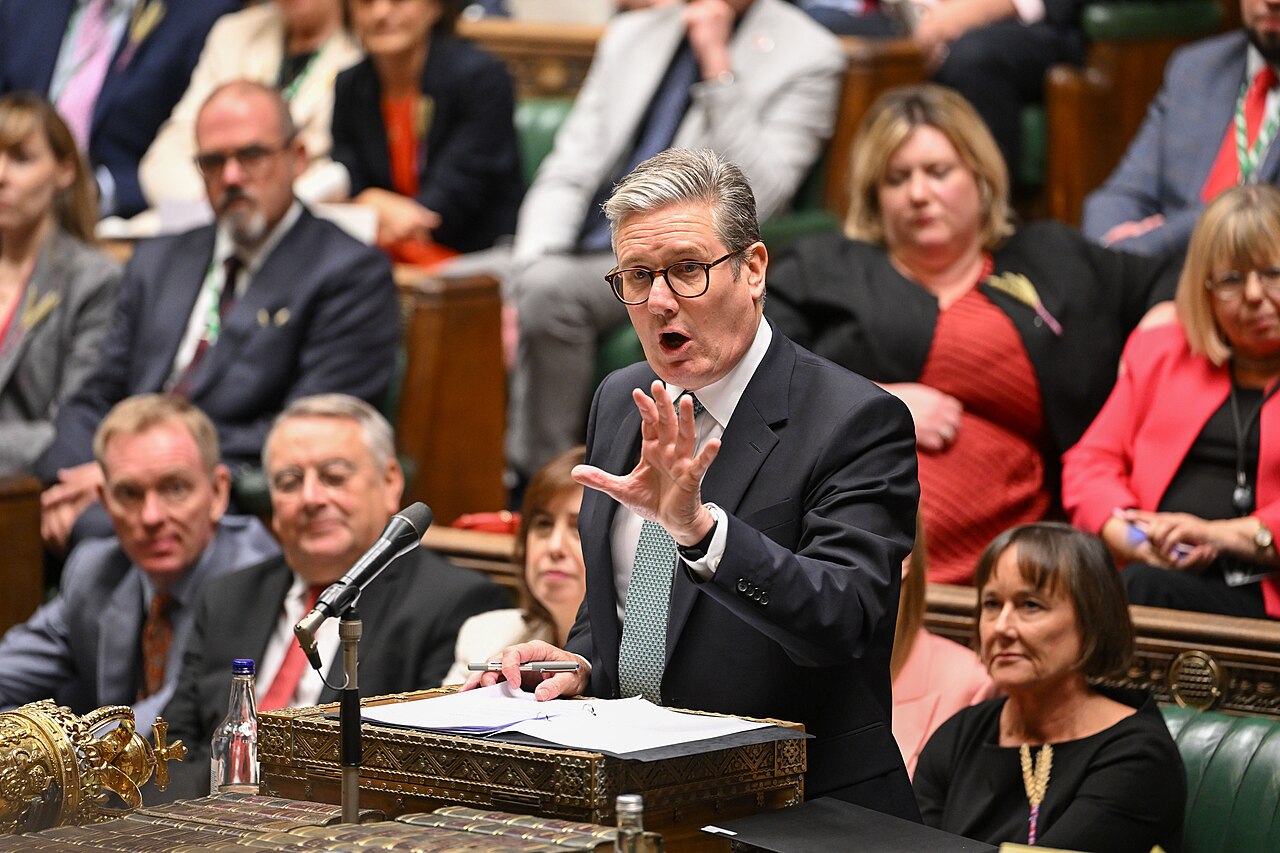
Starmer's Leadership Under Fire: A Deep Dive into the Sarwar Rift and May Election Crunch
The landscape of uk politics starmer is currently marked by significant turbulence, as Prime Minister Keir Starmer faces escalating challenges from within his own party and scrutiny from international figures. Months after securing a historic victory in the 2024 general election, the Labour government, under Starmer's helm, finds itself navigating choppy waters. At the heart of the domestic storm is a highly publicised rift with Scottish Labour leader Anas Sarwar, whose call for Starmer's resignation underscores deeper anxieties about the party's direction and public appeal. Concurrently, a crucial round of May elections looms, threatening to become a decisive "crunch point" for Labour's authority, particularly in Scotland. Adding to the pressure, international voices, including former US President Donald Trump, have weighed in with pointed criticisms, painting a picture of a leadership facing intense, multi-faceted pressures.
The Sarwar Rift: An Unprecedented Challenge from Within
The public call for Prime Minister Starmer's resignation by Scottish Labour leader Anas Sarwar in early February sent shockwaves through the Labour Party. This bold move, revealed during an emergency press conference, was not made lightly. Sarwar informed Sky News's political editor Beth Rigby that he had personally conveyed his intentions to Starmer before going public, a conversation that, predictably, provoked a strong reaction.
"Of course he was going to be taking it negatively," Sarwar recounted, adding, "Of course, he was going to be angry." The incident marked a significant low point, with Sarwar confirming he has not spoken to the Prime Minister since that pivotal week. Despite the personal chasm, Sarwar maintained that "the dialogue has not stopped" with other cabinet members, implying a degree of functionality remains even amidst profound disagreement at the top. This nuance suggests a party grappling with internal dissent while attempting to maintain a united front on policy matters.
Sarwar's reasoning was stark and uncompromising: he branded the current UK Labour government and its leader as "unpopular," a statement he insisted was "a statement of fact." This assessment directly challenges the narrative of a newly elected government enjoying a post-victory honeymoon period. Indeed, it indicates a perceived rapid decline in public favour that Sarwar believes necessitates a change in leadership to salvage the party's fortunes. When pressed on whether he still believes Starmer should step down, Sarwar affirmed, "I've stated my position. I'm not recoiling from that position." His unwavering stance highlights the depth of the dissatisfaction brewing within parts of the party, particularly in Scotland where the electoral stakes are uniquely high.
The timing of this internal rebellion is particularly damaging. Following their general election triumph, Labour had held high hopes of replicating their success north of the border, aiming to dislodge the SNP from their longstanding control of Holyrood. However, Sarwar's comments and the broader decline in Starmer's popularity polls suggest these ambitions are rapidly fading, with the SNP now seemingly poised to retain power in the upcoming May elections. This internal turmoil fundamentally undermines the party's electoral prospects and casts a shadow over the stability of Keir Starmer's Popularity Plunge: Scottish Labour Faces Uphill Battle and the broader trajectory of uk politics starmer.
The May Election Crunch: A Referendum on Labour's Direction
The upcoming local elections in May are not merely routine electoral contests; they represent a critical "crunch point" for the Labour Party and, by extension, Prime Minister Keir Starmer's leadership. Anas Sarwar explicitly linked his call for Starmer's resignation to the strategic importance of these elections, particularly in Scotland. For Sarwar, Scotland "desperately needed change," and the opportunity to unseat "a failing SNP government is one that is too important to be missed."
However, the internal strife and Starmer's dipping popularity have severely hampered Labour's prospects. What once seemed a strong possibility – Labour gaining control of Holyrood after their general election victory – now appears increasingly unlikely. Public opinion has shifted significantly, with the SNP regaining favour and looking set to maintain their grip on power. This potential outcome is not just a setback for Scottish Labour but a significant blow to Starmer's national authority. A poor performance in Scotland would be interpreted as a direct reflection of public discontent with his leadership, intensifying calls for a change at the top and further destabilising uk politics starmer.
The May elections serve as an early, crucial barometer of public sentiment towards the newly formed Labour government. For Starmer, securing a strong mandate in these local contests is essential to solidify his position, demonstrate the effectiveness of his administration, and silence his critics. A failure to deliver, especially in key regions like Scotland, could ignite a fresh wave of leadership challenges and force a serious re-evaluation of Labour's strategies and policies. The electorate's verdict in May will undoubtedly shape the narrative around Starmer's premiership for the foreseeable future, making these elections far more consequential than their 'local' designation suggests.
International Scrutiny: Trump's Unflattering Assessment of Starmer
Adding another layer of complexity to Starmer's embattled leadership are the unsolicited criticisms from former US President Donald Trump. Speaking on the UK's geopolitical standing, Trump publicly stated he was "not happy" with the United Kingdom, turning his attention directly to Prime Minister Starmer. His critique was sharp and specific: Starmer, according to Trump, is "overly reliant on advisers."
This observation by Trump, known for his direct and often controversial opinions, goes to the heart of leadership perception. A leader seen as "overly reliant on advisers" can be interpreted as lacking conviction, independent thought, or decisive judgment. Such a perception, particularly from a prominent international figure, can erode public and internal confidence in Starmer's ability to steer the country effectively. It feeds into a narrative of indecision or lack of strong personal direction, a dangerous trait for any Prime Minister, let alone one navigating challenging domestic and international landscapes.
Trump's criticism wasn't just abstract; he tied it to a concrete foreign policy issue, suggesting Starmer should be "more supportive over the Strait of Hormuz." This implies a perceived weakness or lack of assertiveness in the UK's foreign policy under Starmer's leadership. While some might dismiss Trump's comments as external noise, they nonetheless contribute to the broader scrutiny of Starmer's command on the world stage. In an increasingly complex global environment, perceptions of strength and clarity are vital. Trump's intervention, therefore, adds another dimension to the challenges facing Starmer, requiring him to project an image of robust and independent leadership not just at home, but internationally. This external critique compounds the pressure on Beyond Scotland: Starmer Navigates Trump Criticism and Public Opinion and the overall stability of uk politics starmer.
Navigating the Storm: Strategies for Starmer's Leadership
The confluence of internal dissent, critical electoral tests, and international scrutiny presents a formidable challenge for Prime Minister Keir Starmer. To effectively navigate this storm, Starmer and his government must adopt a multi-pronged strategy aimed at rebuilding trust, demonstrating decisive leadership, and reconnecting with the electorate.
One immediate priority must be to address the deep-seated grievances articulated by Anas Sarwar and other critics within the party. This requires more than just maintaining "dialogue" with cabinet members; it demands genuine outreach and an acknowledgment of the concerns regarding public popularity. Starmer might consider:
- Direct Engagement: Reaching out to Sarwar, perhaps through an intermediary, to seek a rapprochement or at least to understand the specific policy and leadership concerns driving the Scottish Labour leader's stance. This could involve direct discussions on how UK Labour policies are perceived in Scotland and what adjustments might bolster local support.
- Policy Review: A transparent review of government policies that may be contributing to the "unpopular" label, particularly those impacting everyday Britons. Communicating how feedback from within the party and the public is informing policy adjustments can help regain confidence.
- Internal Unity Campaign: Launching initiatives to foster greater internal cohesion, perhaps through regional party conferences or direct addresses to party members, to clarify the government's vision and strategy for the country. Highlighting shared values and goals can help bridge divides.
Regarding the May elections, the stakes are undeniably high. Starmer needs to frame these contests not just as local battles but as opportunities to reinforce the Labour government's mandate. Strategies could include:
- Intensified Campaigning: Starmer himself, alongside key cabinet members, must engage in highly visible campaigning in swing areas, particularly in Scotland. This shows commitment and directly counters the perception of an aloof leadership.
- Clear Messaging: Articulating clear, concise messages about how Labour's national policies directly benefit local communities. Connecting national initiatives to tangible improvements in local services or economic opportunities can resonate with voters.
- Mobilising the Base: Re-energising the party's grassroots activists who were instrumental in the general election victory. Their enthusiasm and dedication are crucial for local campaigning efforts.
Finally, addressing international criticism like Trump's requires projecting an image of strong, independent leadership. Starmer can:
- Assertive Diplomacy: Continue to engage robustly on the international stage, clearly articulating the UK's foreign policy positions and demonstrating leadership on key global issues, such as security in strategic waterways like the Strait of Hormuz.
- Showcasing Expertise: Publicly highlight the breadth and depth of expertise within his government and civil service, demonstrating that advice is carefully considered but ultimate decisions are his. This counters the "overly reliant on advisers" criticism by showing a robust, informed decision-making process.
- Strategic Alliances: Reinforce alliances with key international partners, showcasing the UK's global influence and diplomatic prowess, thereby indirectly countering criticisms of weakness or indecision.
By proactively addressing these challenges, Starmer can seek to reassert control over the narrative, consolidate his leadership, and steer uk politics starmer towards a more stable trajectory.
Conclusion
Keir Starmer's premiership, though relatively fresh following Labour's 2024 general election victory, is already facing significant headwinds. The public rift with Anas Sarwar in Scotland highlights deep-seated internal anxieties about the government's direction and popularity, directly impacting Labour's prospects in the vital May elections. These local contests now stand as a critical test, with the potential to either shore up Starmer's authority or exacerbate calls for leadership change, especially if the SNP retains control in Holyrood. Compounding these domestic pressures, international figures like Donald Trump have added their voices to the chorus of criticism, questioning Starmer's perceived reliance on advisers and the UK's stance on global issues. For Starmer, the path forward demands a strategic recalibration, focusing on rebuilding internal cohesion, delivering a strong performance in the upcoming elections, and projecting a clear, decisive image on both the national and international stages. The coming months will be pivotal in defining the legacy and stability of uk politics starmer.